

The History of Benidorm: From Fishing Village to International Tourist Destination
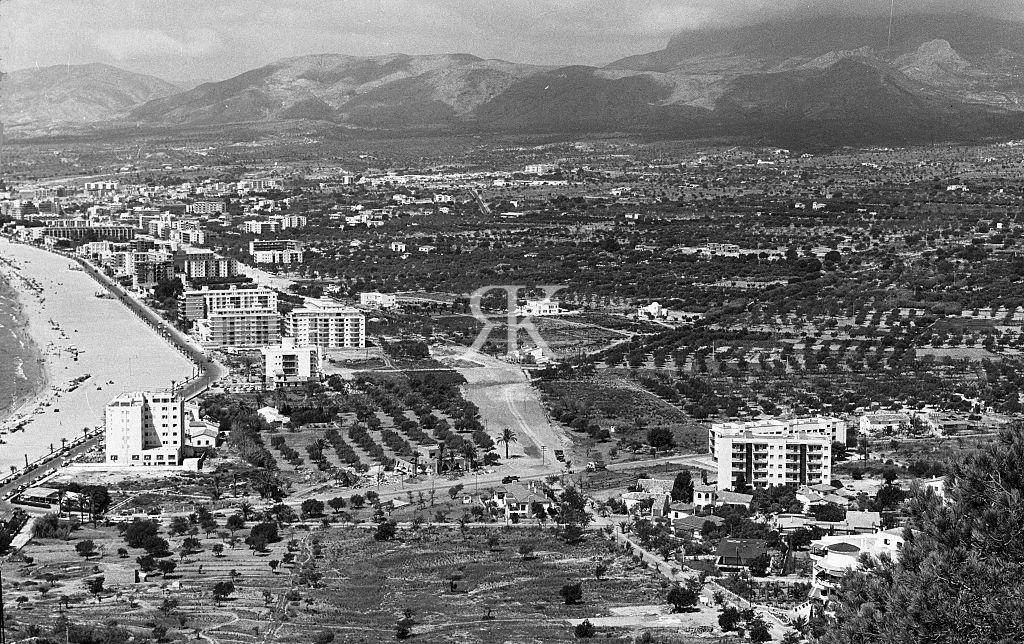
Although today Benidorm is globally known as one of Spain’s top tourist destinations, its history goes back many centuries. What began as a small fishing village has undergone a unique transformation to become a modern, cosmopolitan city and an international benchmark in tourism.
The first steps towards tourism
In 1926, Benidorm’s first hotel, the Hotel Bilbaíno, was built. This marked the starting point for a new model of city, where the architecture of villas—promoted by businessmen from nearby Alcoy during the 1920s—began to shape the landscape.
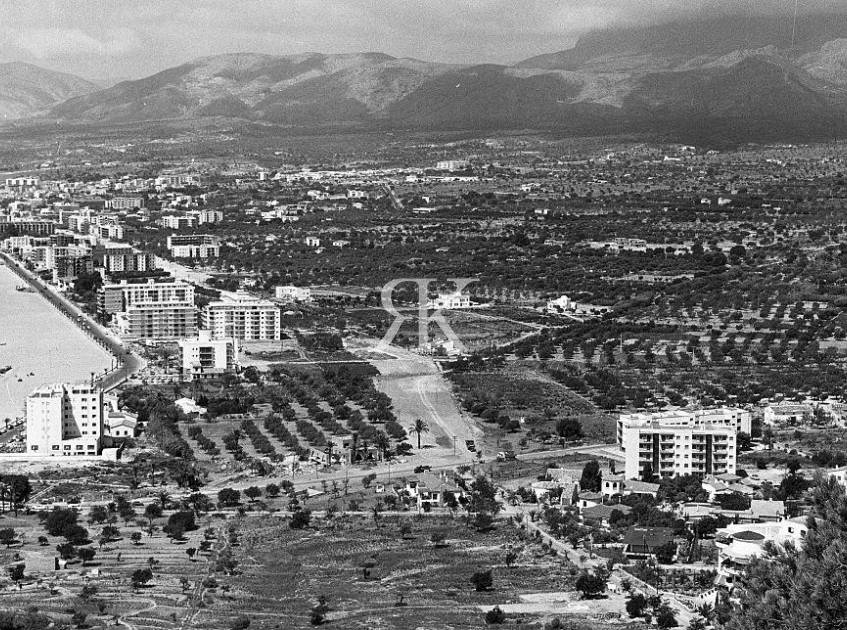
By the 1950s, Benidorm was still a rural town with only 2,726 inhabitants, although it was already welcoming around 10,000 summer visitors. Its growth was not by chance: the municipality designed an urban development plan and innovated in tourism marketing, well ahead of its time.
The change in the urban model
During the 1950s, a garden-city model was proposed, with single-family homes on 5,000 m² plots. However, in 1963, with the approval of new Construction Ordinances, Benidorm opted for a residential-hotel model. This gave rise to the famous “City of Vertical Blocks,” a radical change that defined its future urban development.
The arrival of international tour operators in the 1960s, together with the opening of El Altet Airport (today Alicante-Elche “Miguel Hernández”) in 1967, strengthened the city’s connection to Europe through the first charter flights.
The bikini revolution
One of the most curious episodes in Benidorm’s history took place in the 1950s, when a foreign tourist was fined by the Civil Guard for walking around in a bikini. The mayor of the time traveled to Madrid to discuss the matter with Franco and, despite opposition from the Church, obtained authorization for its use. From then on, the bikini not only became a symbol of freedom but also a tourist attraction that drew thousands of European visitors seeking sun and beach.
Cultural and tourism boom
In 1959, the Benidorm Song Festival (initially Festival REM-CAR) was created, becoming a national and international music showcase. In fact, it was at this festival that Julio Iglesias rose to fame in 1968.
During the 1970s, Benidorm consolidated its tourism management model, recognized for its innovation and efficiency, which gave it great prestige both in Spain and abroad.
The city of skyscrapers
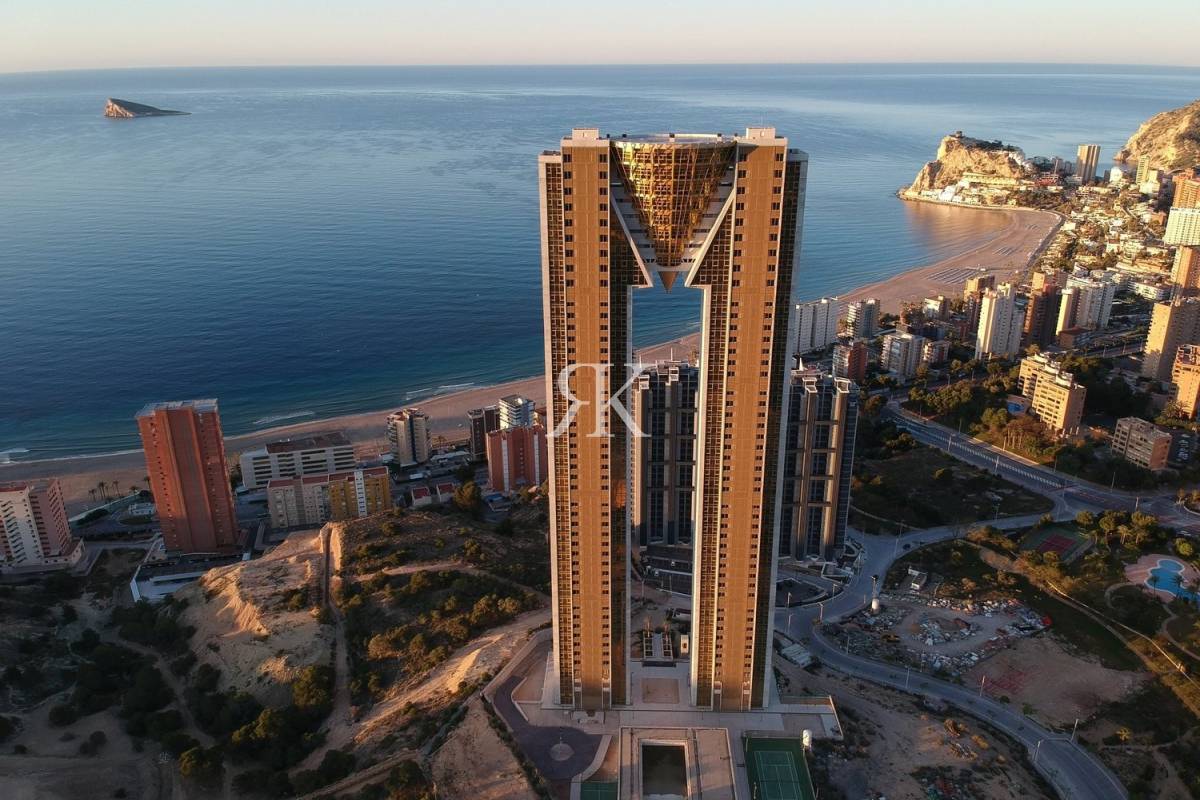
Growth did not stop in the 1980s. On the contrary, another construction boom took place, and skyscrapers began to dominate the skyline. Today, Benidorm ranks among the world’s top 10 cities with the most skyscrapers, a symbol of its modernity and commitment to vertical urban planning that is sustainable with the territory.
Benidorm today
From its origins as a small fishing settlement, Benidorm has grown into a city with over 70,000 registered residents and millions of visitors each year. It is a destination open to all ages, lifestyles, and ways of enjoying leisure.
In December 2018, Benidorm reached a historic milestone by becoming the world’s first Smart Tourist Destination, a recognition that confirms its leadership in innovation, sustainability, and accessibility.
The history of Benidorm is full of curiosities, milestones, and bold decisions that have turned this city into a global reference point. Today, both Spaniards and Europeans see it as a unique place, where there is always something to do and where anyone can feel at home.
Image gallery